How to Buy a Used Car in Serbia: Market, Paperwork, Inspection
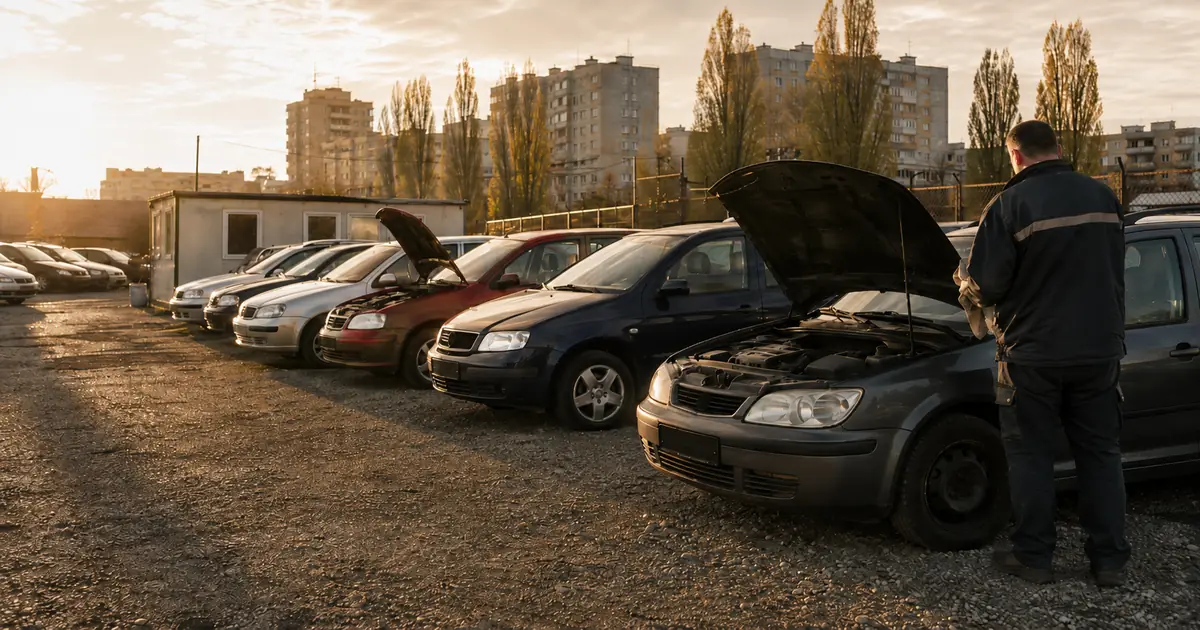
Serbia's used-car market is big and lively, but the deal works differently than in Russia or Ukraine: a notary certifies the contract, and registering the car in your own name requires a residence permit. Here is the process step by step.
Where to Look for a Car
- Polovni Automobili — the country's main car marketplace: the widest selection and the most developed filters;
- classifieds sites: the transport section on Ovdix (listings are auto-translated) and KupujemProdajem;
- car lots and "auto placevi" — dealer resale points: you can view many cars at once, but you'll be negotiating with professionals.
The practical difference between the channels is simple. Polovni Automobili has many times the selection, but also the competition: a sound car at a fair price is gone within a day or two, so you need to check daily and call immediately. Classifieds sites carry fewer listings, but more of them come from private owners who do not know how to "package" a car and therefore ask less. Car lots put everything in one place and handle the paperwork, but their margin is priced in. For the full channel rundown, including EU imports, see the Polovni Automobili alternatives overview.
What Makes the Local Market Different
A large share of cars were imported from Western Europe already used — real mileage and service history need verification. Diesels are traditionally common, manual transmissions outnumber automatics, and prices for in-demand models hold up firmer than newcomers expect: cheap "time capsules" are rare here.
The second surprise is the age of the fleet. A 2010–2014 car counts as a normal working vehicle here, not a wreck, and is priced accordingly. New cars are expensive relative to local incomes, so used ones do not lose value as fast as in Western Europe. That leads to a non-obvious conclusion: buying is not necessarily a loss — a liquid car can often be resold two years later for close to what you paid, provided you did not pile on the mileage.
Take "liquid" literally. Compact diesels and small estates from common brands — Volkswagen, Škoda, Opel, Renault, Peugeot — sell fastest. A rare or premium model costs less to buy, but you will spend months finding a buyer, and parts and servicing will cost more.
What to Budget
Exact figures age quickly, so benchmarks are more useful. The everyday budget segment is a compact 12–18 years old with over 200,000 km — it runs, but it will need work almost immediately. The middle segment is 8–12 years and under 200,000 km, and that is where most deals happen. Anything under five years old rarely comes up and sells at a small discount to new.
Haggling is expected, but it is more modest than on the secondhand goods market: a few percent off a private seller is realistic, especially if the inspection turned up genuine faults. A seller who refuses to discuss price at all has usually either just listed the car or is in no hurry to sell.
What to Read in the Listing Before You Call
Half the bad options screen themselves out before you leave the house, if you read the listing carefully. The markers are simple: how many photos there are and whether the interior is shown, whether the chassis number or at least the year and engine size is given, whether it says this is the first owner in Serbia, and which month the registration runs to. A listing with no interior photos and a one-line description is almost always either a dealer or a car with a history nobody wants to type out.
- A price clearly under the market is not luck but a signal: look at the mileage, the registration and the country it was imported from;
- "prvi vlasnik" and "kupljen nov u Srbiji" (first owner, bought new in Serbia) point to a cleaner history, but still verify;
- "uvezen" (imported) with no country or year is worth a question: where from, and when was it cleared through customs;
- "bez ulaganja" ("needs nothing doing") on a car with 200,000 km means close to nothing.
Call rather than message: sellers in Serbia answer the phone far more readily than a chat, and one conversation tells you whether you are talking to a private owner or a lot. One question saves whole trips — "which month does the registration run to, and when were the belt and oil last changed?" Anyone who has actually maintained the car answers without a pause.
Checking the Car Before You Buy
- Match the VIN in the documents (saobraćajna dozvola) against the number on the body;
- check the VIN history through online services: mileage, accidents, country of origin;
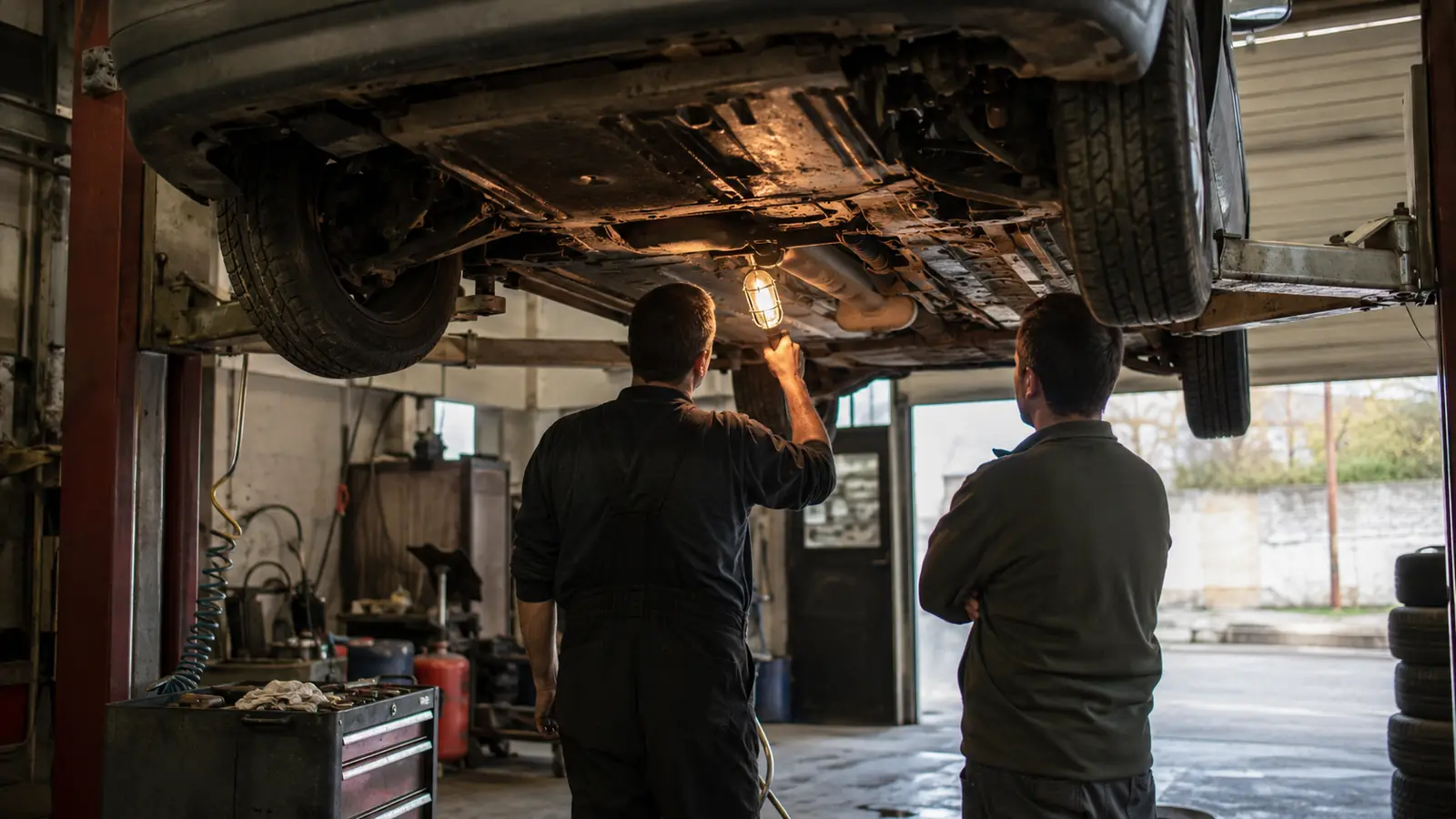
- get an independent inspection — a lift check is cheap and always pays off;
- make sure the car is not pledged as collateral and has no unpaid fines — the notary checks this, but it is worth asking the seller in advance.
The independent inspection is the one line on that list you should never skip. A lift check at a third-party garage costs a token amount against the price of the car and almost always finds something the seller "forgot": leaks, signs of body repair, worn suspension. Crucially, you pick the garage, not the seller — otherwise the check is pointless.
Look separately at the registration expiry in the saobraćajna dozvola. A car whose registration lapsed long ago is often for sale precisely because it will not pass the technical inspection without work — and that work lands on you the moment you buy.
Is Importing from Europe Worth It
Everyone who has seen German prices asks this. What matters is not the sticker difference but the total: transport, customs clearance and bringing the car up to local requirements all stack on top, and some cars cannot be imported at all because of their emissions class. Rules and rates change, so the only honest advice is to price a specific car with a broker before buying, not after.
In practice, importing yourself pays off for rare or expensive models where the price gap covers the costs. For a mass-market compact it is cheaper and faster to buy one already cleared inside the country — especially since much of the local fleet came from Western Europe anyway.
How the Deal Works
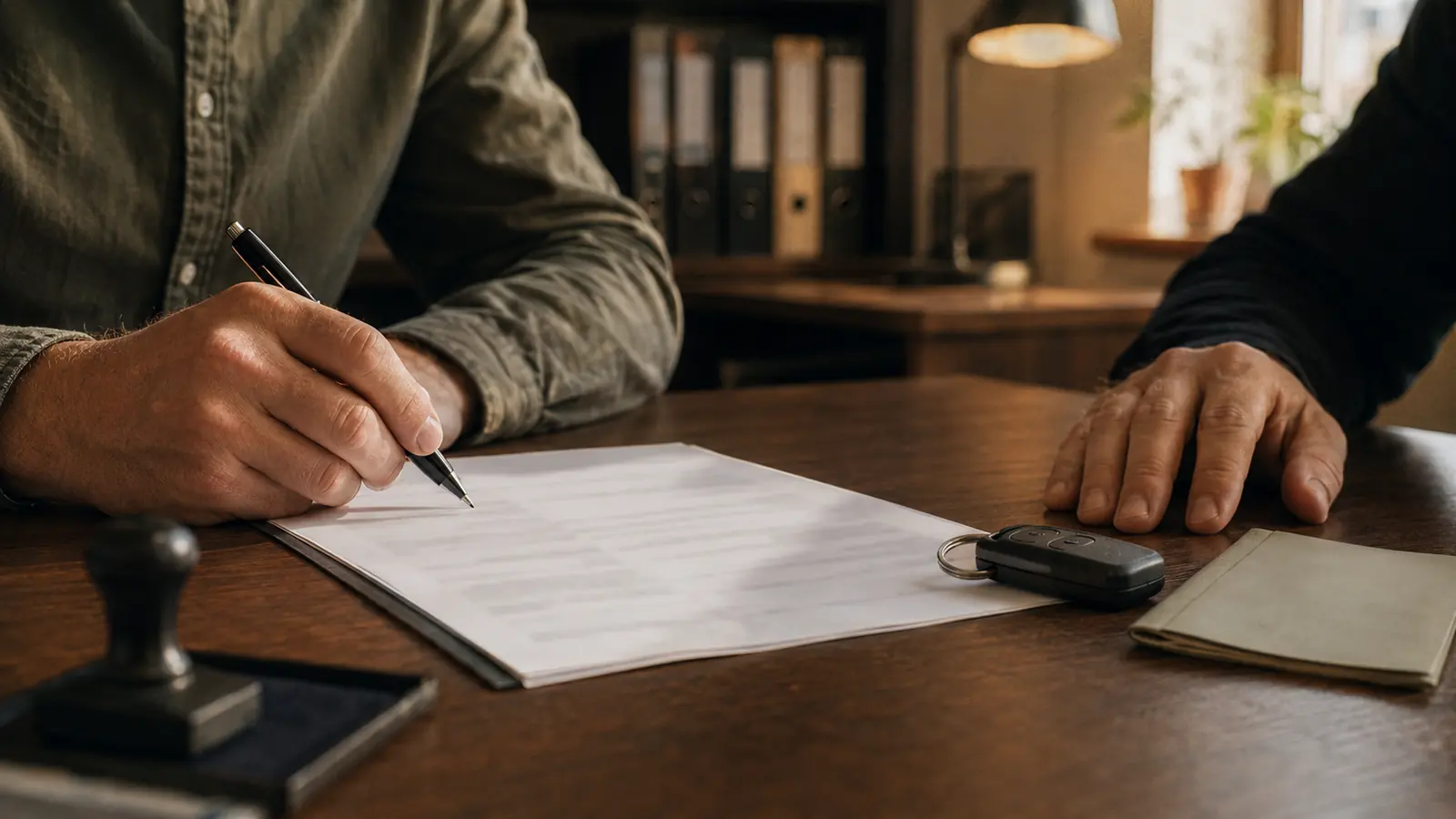
The sales contract (kupoprodajni ugovor) is certified by a notary (javni beležnik) — a mandatory step, without which re-registration is impossible. Next come the transfer tax, technical inspection (tehnički pregled), insurance, and re-registration with the police (MUP), which issues a new saobraćajna dozvola. To register the car in your own name as a foreigner, you need a residence permit (boravak); without one, a workaround using a power of attorney is common, but it carries obvious risks — the car legally remains someone else's.
- You agree the price and book a notary — both parties attend, the seller bringing ID and the car documents;
- the notary certifies the contract and confirms the car is not pledged as collateral;
- the transfer tax (based on the contract) and the notary fee are paid;
- technical inspection and compulsory insurance — usually one place, one visit;
- re-registration at MUP: a new saobraćajna dozvola is issued in the new owner's name.
The money changes hands at the signing in front of the notary — the safest point in the whole deal, because there is a third party present and a signed document on the table. If you are carrying a large sum in cash, bring someone with you, or better still agree on a bank transfer. Never hand over a deposit "to hold the car" before you have inspected it and seen the documents: that is the single most common way newcomers lose money here.
Cost of Ownership
Budget beyond the car's price for: the transfer tax, the notary, annual registration with technical inspection and insurance, and separate checks for cars running on gas. Simple rule: if your budget is tight just for the purchase, the car is not within budget yet.
Annual registration in Serbia is a single bundle: the technical inspection, compulsory insurance and renewing the documents are done in one visit, usually in one place. The amount scales with engine size and the age of the car, so a big petrol engine hits your wallet twice — at the pump and once a year at renewal.
Add what newcomers forget: parking in central Belgrade is paid and zoned, and winter tyres are mandatory in the cold season. Another frequent surprise is the queue for the technical inspection as registration runs out — renew early rather than in the final week.
Mistakes Newcomers Make
- Budgeting for the car only, and forgetting the notary, the transfer tax and the first registration;
- buying before the boravak comes through and ending up with a car registered to someone else;
- taking the car for inspection to the garage the seller recommended;
- grabbing a "cheap" large petrol engine and then paying for it twice a year — at the pump and at renewal;
- anchoring on German prices and waiting months for the local market to come to its senses.
One more mistake is hurrying. The Serbian market is small and a good car really does go fast, but that is no reason to buy the first one you see: liquid models come up every week. A sensible search runs two to three weeks, with listings checked daily and two or three cars actually inspected.
Selling Your Own Car?
As a seller, it is the same process in reverse: prepare your documents, take honest photos, and list it — on Ovdix both Serbs and expats will see it, each in their own language. Rules for safely handling large-sum deals are in a separate article.
Frequently asked questions
Can I buy a car in Serbia without a residence permit?
You can buy one, but you cannot register it in your name: re-registration requires a boravak. The common power-of-attorney workaround leaves the car legally someone else's, with all the risk that implies — it is a stopgap, not a normal arrangement.
Where do I look for a used car in Serbia?
Polovni Automobili is the main channel and has the widest selection. Beyond it, classifieds sites including the transport section on Ovdix, and the auto placevi if you want to see many cars in one trip.
Is a notary mandatory?
Yes. A javni beležnik certifies the sales contract, and without that the police cannot re-register the car. The notary also verifies the car is not pledged as collateral.
What does running a car cost per year?
The main recurring item is the annual registration — technical inspection, compulsory insurance and document renewal in one bundle. The amount scales with engine size, so a smaller engine saves you twice: on fuel and at renewal.
Is it cheaper to import a car from Germany?
Only for rare or expensive models, where the price gap covers transport and clearance. For a mass-market compact it is cheaper to buy one already cleared in Serbia — much of the local fleet came from Western Europe anyway.
How long does the paperwork take?
With the documents in order, one or two days: the notary on the day of the deal, then the technical inspection with insurance and the re-registration at MUP. What usually takes longest is not the paperwork but the queue at the inspection station at the end of the month.
Diesel or petrol in Serbia?
Diesels dominate the used market, cost less to fuel and resell more easily. But annual registration is calculated from engine size, so a big engine of any kind is expensive to keep. For city driving a small engine almost always wins.