Buying Used Furniture in Serbia: Where to Look and What to Check
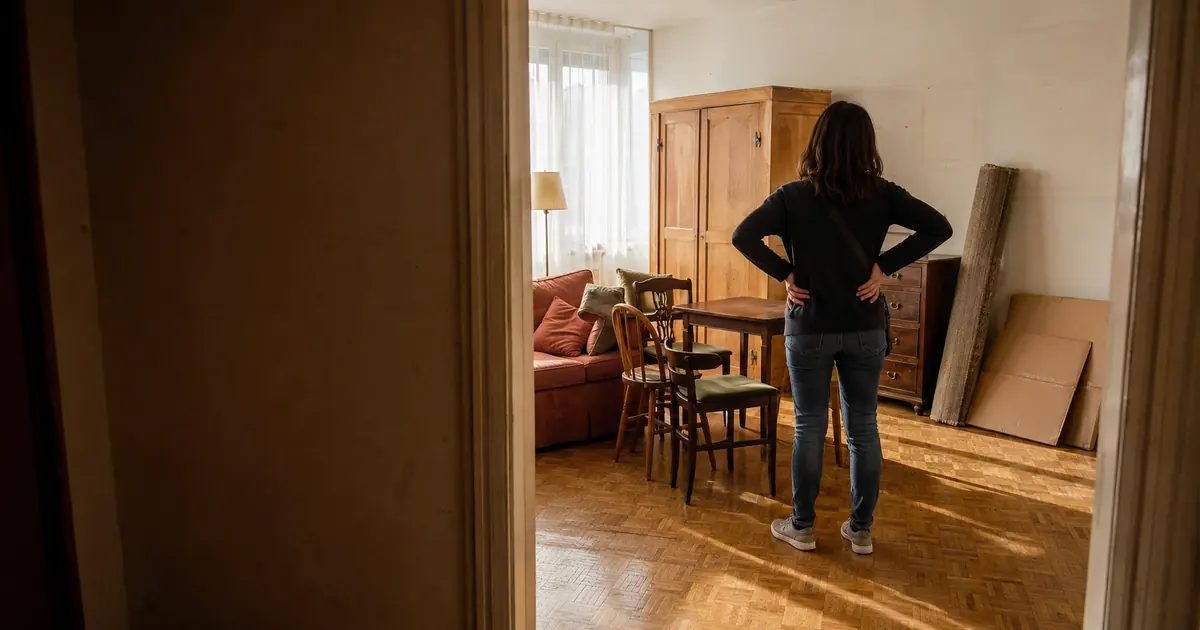
Rentals in Serbia often come half-empty, and new furniture is expensive. The good news: the second-hand furniture market here is big and active. Here is how to navigate it.
Where to look
- Classifieds are the main channel. Browse Home & Garden in Serbia — sofas, wardrobes, tables and kitchens appear daily.
- Expat chats — items often go for almost nothing when someone leaves urgently, but the selection is random.
- Flea markets — good for small items and vintage; large furniture rarely makes it there.
The best deals come from people moving away: they sell the whole household at once and discount heavily for a quick pickup. You can spot these listings by phrases like “urgent, until the end of the month” and bundles like “sofa + table + wardrobe”.
Inspecting before you buy
- Frame: rock the piece gently — it should not creak or wobble.
- Upholstered furniture: lift the cushions, check the fabric and the fold-out mechanism.
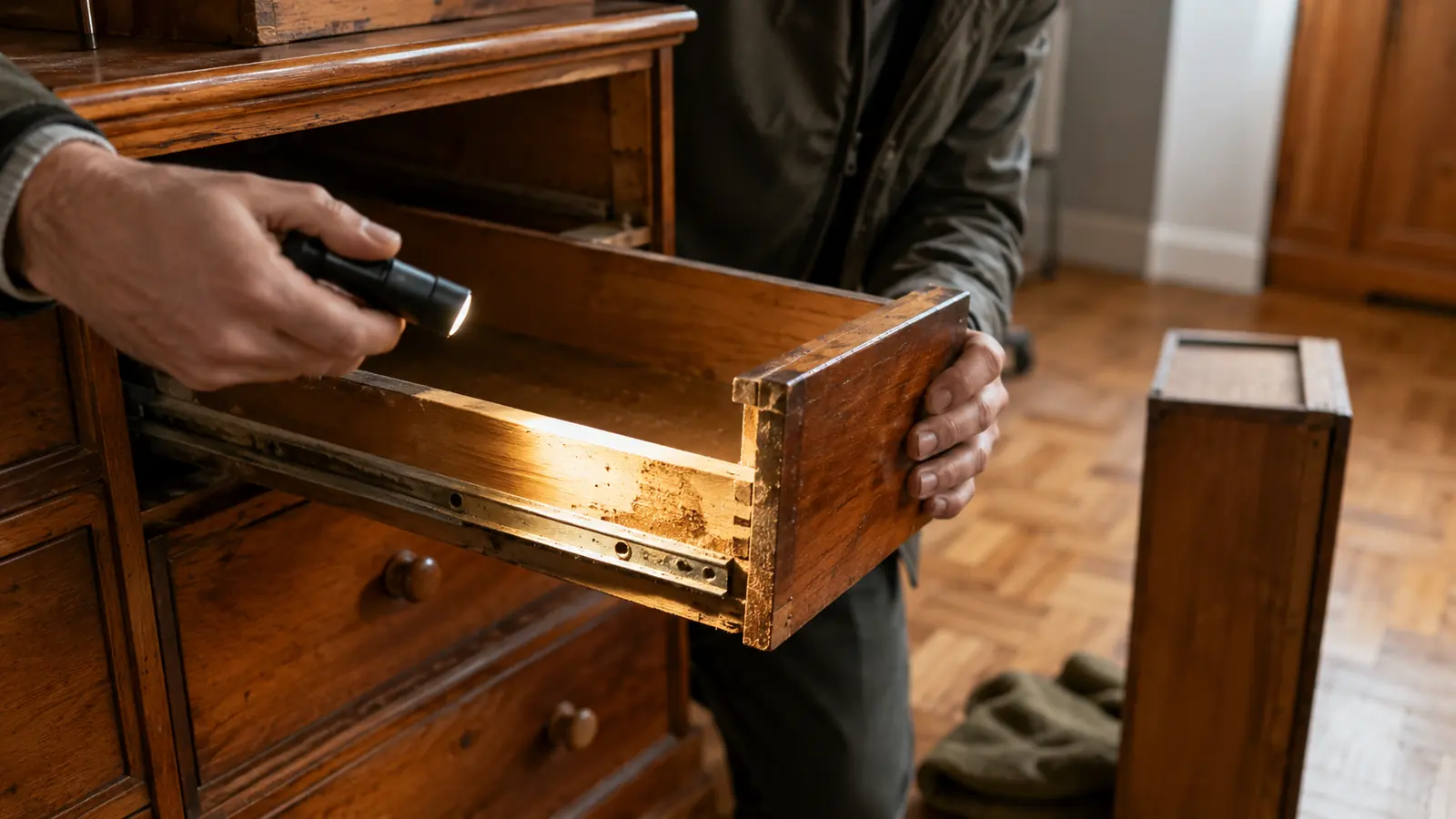
- Wardrobes and dressers: open every drawer and door, look at hinges and rails.
- Smell: tobacco or pet odour is nearly impossible to remove — do not count on airing it out.
Delivery and carrying
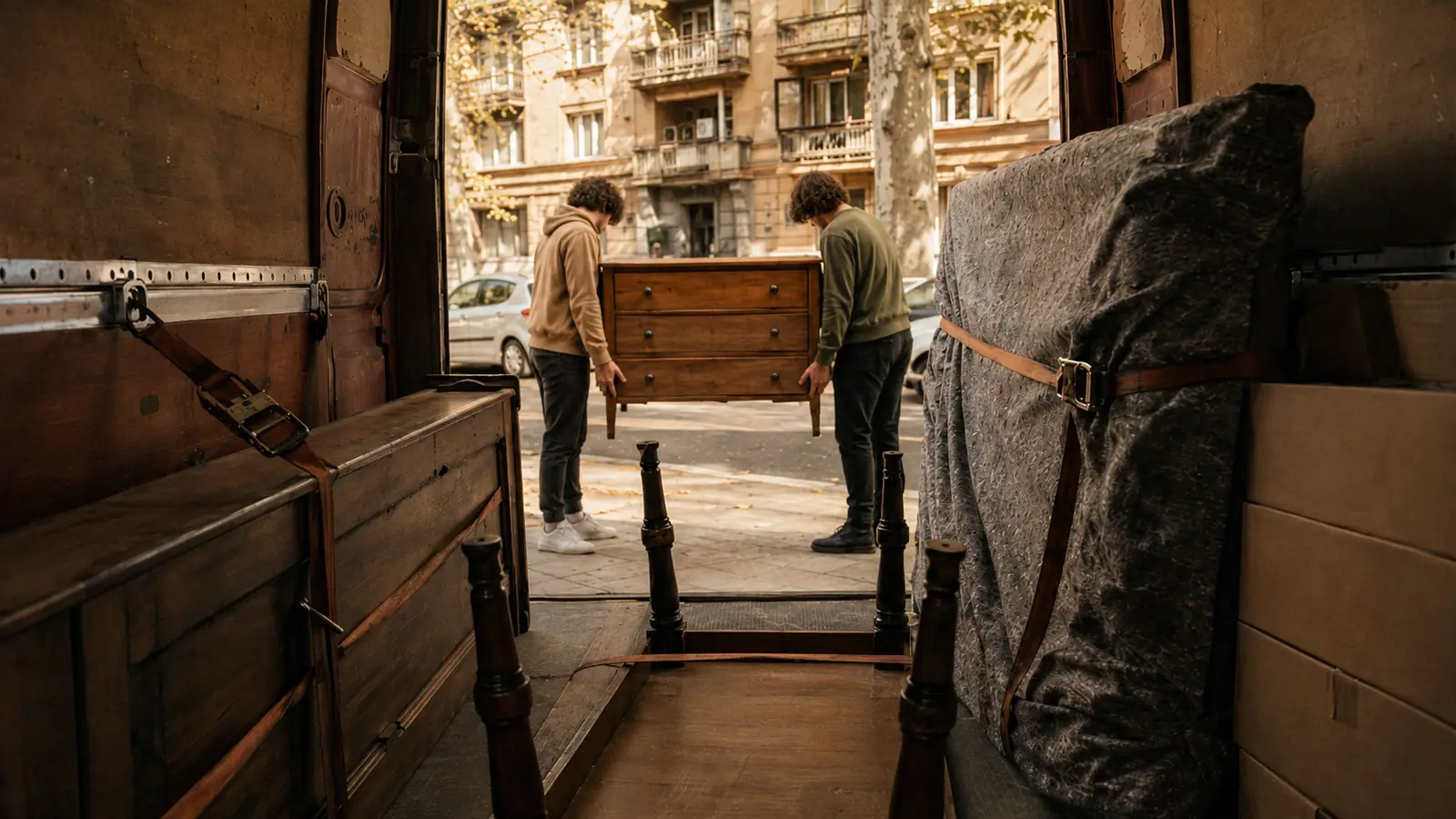
Large furniture is usually moved by a hired driver with a van — search for “prevoz” or ask in the same chats. Agree in advance on who helps carry: an elevator in older Belgrade or Novi Sad buildings is far from guaranteed.
Negotiating and paying
Haggling is normal on the second-hand market: a 10–20% discount is almost always achievable, especially when buying several items at once. Payment is typically cash on pickup. Never transfer money in advance “to reserve” an item — that is the most common scam.
Browse all fresh listings on the classifieds in Serbia page — and if you have furniture of your own to sell, posting on Ovdix is free and your listing is automatically translated for local buyers.
Frequently asked questions
Where do I look for used furniture in Serbia?
The main channel is classifieds: sofas, wardrobes, tables and kitchens appear daily. Relocation chat groups throw up random but very cheap finds when someone leaves in a hurry. Flea markets are good for small items and vintage — large furniture rarely travels there. The best deals come from people moving out: you can spot them by phrases like "urgent, by the end of the month" and bundles of "sofa + table + wardrobe".
What should I check on used furniture before buying?
The frame: rock it — it should not creak or wobble. Upholstery: lift the cushions, check the fabric and the folding mechanism. Wardrobes and dressers: open every drawer and door, look at the hinges and runners. And smell: tobacco or animal odour is almost impossible to remove, so do not count on "airing it out".
How do I avoid wasted trips across town?
Ask for a short video before you travel: the sofa mechanism, the drawers working, close-ups of any damage. One video saves a trip across half the city, and a refusal to film it is informative in itself.
How much can I haggle, and how do people pay?
A 10–20% discount is almost always achievable on the second-hand market, especially if you take several pieces at once. Payment is usually cash on collection. Never transfer anything in advance "to reserve it" — that is the most common scam. Large furniture goes by hired van (search for "prevoz"), and agree in advance who helps carry it up: a lift in the older buildings of Belgrade and Novi Sad is far from guaranteed.